Portable Toilets to Rent: Your Complete Guide for East Bridgewater Events
When you rent portable toilets, you are solving a problem people feel immediately. Not later, not in theory. If the setup is wrong, the day gets awkward fast, and the guest experience turns sour in a hurry.
In East Bridgewater, events range from backyard gatherings that need a couple units to larger community days where logistics matter. Whether you are planning a wedding, a fundraiser, a construction job, or a fall festival, portable toilets to rent can be one of the smoothest parts of your event plan if you handle the details early.
This guide is built around what actually affects outcomes: unit selection, placement, timing, sanitation, and contingency planning. You will also see practical trade-offs that separate a “good enough” rental from a guest-ready setup.
Start with the real question: how many toilets do you need?
People often focus on the number of guests, which makes sense, but portable toilet rental is really about how often people will need to use the restroom during your event window. The shorter and more concentrated the event is, the more pressure you will feel on facilities.
A long event with staggered activity spreads out bathroom use. A two hour peak period does not. That is why you want to think in terms of duration and crowd flow, not just headcount.
Most porta potty rental decisions land in the same practical zone: if you undercount, lines form and people start walking away. If you overcount, you usually spend more portable toilets on rent than you need, and the extra space goes unused. The best move is to talk through your event schedule with a portable toilet rental company, because they typically understand how usage patterns change for weddings, youth sports, street fairs, and work sites.
If you are trying to estimate before you call, gather three pieces of info:
- event start and end times (including any “before doors open” window)
- whether food and alcohol are involved
- whether you expect a higher proportion of families, seniors, or children
Those details often matter as much as the guest count. Food and alcohol increase use. Family-friendly events include smaller bladders and more frequent bathroom trips. Seniors may take longer, and children generally need extra help, so the type of restroom matters too.
Choose the right type of unit, not just a quantity
“Portable toilet” covers a surprising range of setups. Some are basic, some are more comfortable, and some are designed for specific access needs.
Here is how you can think about your options:
Basic units (often what people picture first) are usually best for straightforward outdoor events where budget matters and the crowd is comfortable with standard restroom facilities. They do their job, but comfort is limited.
Handicap accessible portable restrooms are a must when your event includes guests with mobility needs. Even if you think you will not have many, it is smarter to be ready than to scramble. The extra space and accessibility features make a difference.
If your event involves VIPs, a higher end venue, or guests who expect more polish, upgraded units can change the whole experience. Options may include more interior space, better handwashing setups (depending on the package), and sometimes enhanced ventilation. Premier Portable Potties and other reputable providers often offer tiers, and you can usually match the restroom experience to your event’s tone without overbuying.
You may also see specialty units marketed for “premium” use, but the right approach is matching the unit to your crowd and your schedule. A premium restrooms package makes sense when you have a longer event, a more upscale crowd, or a high risk of complaints if facilities feel subpar. For a short community event, a simpler unit set can work well as long as you plan placement and service frequency.
Placement can make a mediocre unit feel worse than it is
Even the best portable toilet rental does not perform well if placement is careless. You want the route people take to feel obvious, safe, and short.
Common placement issues include:
- units placed too far from foot traffic paths
- confusing “where is the entrance” setups
- locations that flood when it rains
- setups near noise sources or where guests feel uncomfortable
In East Bridgewater, you also need to plan for weather and ground conditions. Soft soil can make equipment settling and servicing harder. Sloped areas can lead to standing water. If your event is on grass, ask about protective measures and anchoring.
A practical rule from real event days: put the restrooms where people are already walking. If guests have to cross a field, climb a step, or pass through a muddy area, bathroom use drops. It is not just convenience, it is dignity and safety.
If you have multiple units, spacing matters too. People should not feel crowded on the approach, and service vehicles need room to access the area for pumping and restocking.
Timing matters more than most planners expect
You generally do not want units delivered “whenever.” Portable toilets to rent are part of the event infrastructure, so treat delivery like a critical load-in.
The two key timing moments are: 1) delivery and setup close to the event start 2) servicing during the event if it is long or heavily used
For short events, many plans work fine with delivery shortly before the start time and service completion afterward. For long events, weekend festivals, or busy family days, you should plan for maintenance.
If you are ordering emergency portable toilet rental, timing is even more sensitive. That scenario often happens when plans change suddenly, a site condition forces a rethink, or a prior booking falls apart. The lesson is simple: if you might need an emergency option, keep your details ready so the rental company can move quickly.
When you contact a portable toilet rental companies to schedule, provide:
- address and exact setup area
- event dates and approximate traffic window
- how many units you think you need
- whether you have power for any wash stations (if applicable)
- a contact person who can receive delivery and guide placement
That reduces delays and avoids the kind of back-and-forth that eats into your time.
Don’t forget handwashing and supplies, even for basic rentals
Guests judge restrooms on more than the toilet itself. If the area feels dirty, dry, or unwelcoming, people avoid it. That is where handwashing and supplies become part of the restroom experience.
Not every portable toilet package includes handwashing the same way. Some rentals offer hand sanitizer stations or sinks, and others include basic supply kits. The best plan depends on your crowd and food situation.
A common real-world scenario: an outdoor event with food trucks ends up feeling “rough” because people can’t wash hands. Even if the toilet units are serviced well, guests will notice the missing piece. Planning for handwashing reduces complaints and, frankly, makes the whole setup feel cared for.
Ask your supplier what is included in the standard package and what is available as an add-on. If you want the restroom area to feel complete, handwashing and stocked supplies are usually the easiest upgrades that make people’s experience better.
Servicing frequency: the difference between “fine” and “gross”
A unit can be clean when delivered and still become unpleasant quickly if it is not serviced. Waste management and restocking are not optional for busy events.
You will typically see service schedules offered based on event length and expected usage. For a smaller gathering, one service might be enough. For a longer event, you may need mid-event maintenance.
The trade-off is cost versus comfort. Cutting service frequency to save money can backfire when lines form and the restroom area becomes a negative focal point. That is especially true for family events and events with a lot of kids.
If you are planning a multi-day event, do not assume “it will probably be okay.” Multi-day setups are exactly where servicing planning prevents problems.
Weather and ground conditions in East Bridgewater
Outdoor events come with weather risk. Rain, mud, and temperature shifts can affect accessibility, odor control, and even how service crews access the site.
Before you finalize placement, consider:
- Will the ground become slippery or muddy under foot traffic?
- Is there a stable path for guests to approach the restroom area?
- Can you keep the unit base from sinking if it rains?
- Is the location safe for service vehicles?
If your event site is uneven, you may need guidance on where to set the units. A good portable toilet rental company will often ask questions about the site, and they may recommend a placement plan that avoids problems.
If you expect heavy rain, plan to keep a designated walking route. Sometimes the simplest improvement is directing foot traffic with a clear, accessible path, so people do not create muddy trails around the restroom area.
Access and compliance: plan for everyone, not just the “average guest”
Even if you are not required to provide accessible restrooms by your event type, the practical value is clear. Guests with mobility needs, seniors using walkers, and people who need extra space to transfer are all impacted by restroom setup design.
For events where you expect a mixed crowd, an accessible unit is a strong choice. It also reduces the “we should have thought of that” feeling if someone shows up and asks for help.
Additionally, accessibility is not just about the toilet itself. It also involves how people reach the unit, how stable the path is, and whether the unit area is well lit.
If your event is in the evening, lighting helps people avoid tripping and makes it easier for staff to guide guests. Portable facilities should feel safe, not like an afterthought.
When you need emergency portable toilet rental
Emergency situations happen. A venue changes. Rain damages a planned sanitation area. A contractor’s plan falls apart close to showtime. If that is your situation, the fastest path to a workable outcome is to be precise about what you need and when you need it.
Emergency portable toilet rental works best when you can quickly answer:
- where the units must go (exact site address)
- how many units are required to cover the crowd window
- whether you need accessible options
- whether handwashing is part of the plan
- how soon delivery must happen
The best way to reduce stress is to have site access details ready. If someone will not be available to open the gate or guide delivery, you may lose critical time. In those situations, setup delays can cascade into servicing delays too.
If you are thinking about emergency rental, do not wait until the last possible minute. Demand is usually higher during peak seasons and weekends, and faster turnaround often comes with limited unit types. Planning early gives you more options and better control over placement and servicing.
A practical planning call: what to ask before you book
You want to know what you are paying for, and you want clarity that holds up on event day. Instead of assuming details, ask questions that reveal how the company handles real logistics.
Here are five questions that tend to prevent surprises:
- What is included with the unit rental (delivery, pickup, and any mid-event servicing)?
- What unit types are available for our crowd and site conditions (including accessible options)?
- How do you handle weather issues like muddy ground or limited access?
- Can you provide handwashing or supplies, and what comes standard?
- Who is the event day contact for placement questions or adjustments?
If a provider answers clearly and asks you thoughtful questions in return, that is a good sign. If they rush you or avoid specifics, proceed carefully.
Cost drivers: what actually changes the price
Portable toilet rental can look simple on a quote, but the final cost is shaped by multiple variables. Some are obvious, like the number of units. Others are less visible until you plan.
Price often changes with:
- unit type (basic versus accessible or upgraded)
- number of days (delivery and pickup logistics add up)
- event length and servicing frequency
- distance to the site and site access constraints
- handwashing and supply add-ons
It is also common for costs to vary when you need short-notice delivery. Emergency portable toilet rental may carry higher rates due to scheduling pressure and routing changes.
If you want value, the goal is not necessarily “the cheapest unit.” Value means matching comfort and servicing to the real usage patterns so you avoid problems that create staff time, complaints, and last-minute fixes.
A quick decision guide for common East Bridgewater event types
Different events use restrooms differently. Construction and maintenance sites have a steady stream throughout the day. Weddings and parties tend to have peaks around key moments, like dinner start times or intermission points.
For a backyard celebration, two to four units might be enough, especially if the event window is short and you keep food and drink planning reasonable. For a community festival with heavy foot traffic, you might need more units and more frequent servicing because lines form quickly when crowds concentrate.
For weddings, guests also linger. That changes how long people remain on site, which affects restroom demand. A restroom area that feels clean and stocked reduces disruptions and makes guests happier.
For sports tournaments, the crowd includes families and kids, and turnover happens quickly. Restroom planning needs to account for bursts of activity during games and between periods.
This is where working with a company that understands portable toilet rental can be worth more than chasing an online estimate. The right selection avoids both undersupply and oversupply.
How Premier Portable Potties-style providers typically help (and why it matters)
When you work with experienced portable toilet rental companies, you are not just buying a box. You are buying planning support, delivery coordination, and the operational know-how that prevents headaches.
A strong provider usually helps with:
- matching unit types to your crowd needs
- recommending placement and spacing based on foot traffic
- advising on servicing frequency
- ensuring the delivery process accounts for access and timing
- handling restocking and cleanup expectations
Even if you already know what you want, getting a second set of eyes can catch gaps, like forgetting accessible access considerations or underestimating usage during a peak schedule.
If you have been through an event day with sanitation issues, you know how quickly it can derail staff. Better planning is not only about guest comfort, it is about protecting your schedule.
What the setup day should look like
On delivery day, the best outcomes come from coordination. You should expect the delivery team to verify placement and ensure the units are stable. If your event site has a designated staging area, you should communicate it. If there are pathways, gates, or limited access points, that is where your event staff or venue contact needs to be present.
If you are renting for a larger event, assign one person as the “point guide.” That person should be able to answer basic questions, confirm where units should go, and handle any last-minute changes. It keeps the process efficient.
If you are having a handwashing station, confirm how it will be positioned and whether supplies will be restocked during the event. A clean setup is not only about toilets, it is also about the surrounding area.
Common problems to watch for, and how to prevent them
Every event has its quirks. The trick is handling predictable issues before they become visible problems.
One issue is overcrowding at a single unit location. If you place units too close together or too far from the main path, people cluster and you get lines at the worst possible moment. Spacing and clear approach paths reduce that.
Another problem is missing or inadequate servicing. Even if you choose the right number of units, you can lose the day if the sanitation schedule does not match usage. For events with food and long duration, plan servicing early rather than hoping.
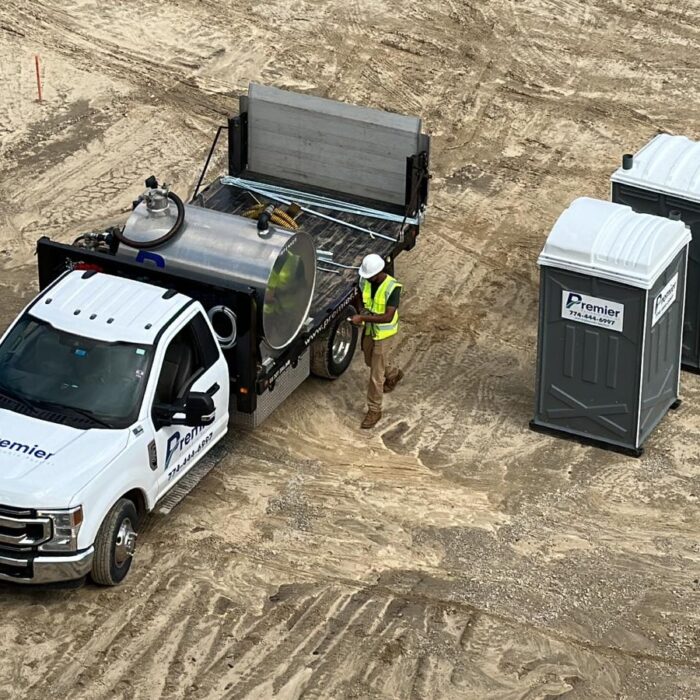
A third issue is poor ground conditions. If the unit base sinks, the area becomes harder to access and harder to clean. Asking about site preparation or placement adjustments can prevent that.
And finally, consider staffing and signage. People sometimes do not use the restroom because they cannot find it easily. Clear guidance, good lighting, and a visible entrance approach can reduce wasted confusion.
A short placement checklist you can use right away
If you want a fast way to sanity-check your plan, use this compact checklist before the day of setup:
- Are the units placed close to the main walking path, not hidden at the edge?
- Is there a safe, stable route that works in rain and low light?
- Can a service vehicle access the area without tearing up the site?
- Will there be enough space between units to prevent crowding?
- Do you have accessible routes if you include handicap portable toilets?
This is the kind of detail that makes a guest experience feel effortless.
Choosing the rental timeline: book early when you can, but stay flexible
Portable toilet rentals are more available in off-peak periods, but East Bridgewater event seasons can tighten up. For popular weekends, weddings, and festival dates, booking early helps you secure the unit types you want, including accessible options and any upgraded setups you might prefer.
If you are flexible with dates, you might find better availability. If you are not flexible, plan your timeline around what affects logistics: delivery scheduling, placement preparation, and servicing windows.
If you end up needing portable toilets on rent last minute, you can still succeed, but your range of unit types may be narrower, and your preferred placement might not be feasible. The best move is to share your site constraints clearly and accept that emergency scheduling may require compromise.
Practical examples from real planning scenarios
Here is how these decisions often play out.
Scenario one: a wedding on a property with a long gravel driveway. The instinct is to place units near the house, but that path can be difficult for service access. A better plan is placing units closer to the driveway entrance and directing guest foot traffic with a simple, safe route. The guests get convenience, and the servicing team gets access.
Scenario two: a community event with families and kids. Someone orders basic units and assumes that is enough. It might be enough on paper, but usage peaks around game start times and intermissions. Adding one more unit or increasing service frequency prevents the bathroom area from becoming a bottleneck.
Scenario three: a rain-heavy day. A location that looked dry in the morning turns muddy later. Units become harder to reach, and people start skipping the restroom. If you plan placement with weather in mind, you reduce the risk of the entire experience feeling unpleasant even when the units themselves are serviced.
These situations do not require fancy solutions. They require practical foresight and matching the setup to the way people actually move through your event.
Portable Toilet Rental East Bridgewater: key takeaways that keep events running smoothly
If you are sorting through options for porta potty rental East Bridgewater, focus on outcomes instead of slogans. The right choice is a blend of unit type, number of toilets, placement, servicing, and supplies.
Portable toilets on rent are at their best when you treat them like a critical service, not an afterthought. When planning is solid, guests stop noticing the restroom area entirely, which is exactly portable emergency toilets what you want. They only notice when something goes wrong, and prevention is far cheaper than damage control.
If your schedule is tight or the need is sudden, emergency portable toilet rental can still work well, as long as you communicate site details quickly and confirm servicing expectations upfront.
And if you want a provider that takes the logistics seriously, look for portable toilet rental companies that ask good questions, confirm the setup plan clearly, and match the package to the event type. Premier Portable Potties and other established operators tend to stand out when they treat delivery and service as part of the product, not just the end of the transaction.
Frequently asked questions, answered plainly
Do I need an accessible unit even if I only expect a few guests who need it?
If your crowd includes seniors, anyone with mobility challenges, or family members who may need accessible facilities, it is usually a wise choice. Even one accessible unit can prevent a stressful situation.Can I rent portable toilets for a short event?
Yes. Short events often work with a clean delivery window and pickup after the fact. The key is still matching unit count to usage intensity during your peak periods.How do I plan if the weather is uncertain?
Plan placement with stable ground in mind and prioritize safe access. If rain is likely, choose a location with better drainage and a clear guest path, and ask about how the units will be secured.What should I tell the rental company when I’m booking?
Share your event dates, event times, approximate guest count, whether food and alcohol are involved, where units can be placed, and a point person for delivery coordination. Those details help them recommend the right unit mix.What’s the biggest mistake people make with portable toilets to rent?
Underestimating the combination of peak usage and servicing. Quantity matters, but servicing frequency and placement determine whether the setup feels clean and efficient throughout the event.If you want, tell me what kind of event you are planning in East Bridgewater, the date, and your best guess at guest count and duration. I can help you think through a realistic unit plan and the questions to ask before you book.
Premier Portable Potties
35 Industrial Dr, East Bridgewater, MA 02333, United States
(774) 444-6997
[email protected]
website: https://www.premier.boston/